How Vector Floral and Botanical Elements Can Transform Your Creative Projects
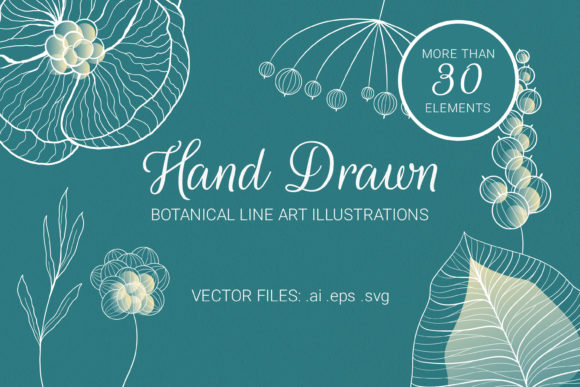
When you find a collection described as Vector Floral and Botanical Elements, you're uncovering a versatile toolkit for design. This specific set, with more than 30 separate floral and botanical illustrations bundled in one file with multiple formats like .ai, .eps, .svg, and .pdf, represents a significant asset for anyone creating visual content. The true power lies in its editability; you can change the color of both the outlines and the underlying shapes to match any project's palette. This isn't just a static image—it's a customizable design foundation.
The Common Oversight in Choosing Digital Assets
Many creators, from beginners setting up a small business to seasoned freelancers, often prioritize quantity over compatibility when purchasing digital elements. They see "30+ elements" and download without scrutinizing the file formats. A collection only offered in .jpg or .png, for instance, locks you into fixed dimensions and uneditable artwork. This directly impacts your efficiency and final quality. If you need to scale a design for large wall art or extract a single leaf for a logo, raster files will pixelate and limit your options, leading to frustrating compromises in your invitations or card designs.
A better approach is to always verify the formats before downloading. The presence of vector-native files like .svg and .ai is a key indicator of professional utility. These formats ensure the artwork remains crisp at any size and truly editable. For example, you could take a complex floral wreath from the Vector Floral and Botanical Elements pack, scale it down for a birthday card corner detail, then blow it up to fill a full poster, all without any loss of detail or extra cost.
Misunderstanding "Editability" and Color Customization
Another frequent mistake is assuming all "editable" files work the same way. Some collections are merely layered .psd files, which can be restrictive if you don't use Photoshop. The phrase "you can change the color of the outlines and the underlying shapes" in a true vector collection is specific and powerful. It means each element is built with separate, modifiable paths. A common poor decision is to try manually recoloring a non-vector element in a simple editor, resulting in muddy colors and jagged edges.
The practical advice here is to use software that harnesses vector potential. Programs like Adobe Illustrator, Affinity Designer, or even free tools like Inkscape are designed for this. They allow you to select individual shapes within the bouquet or leaf cluster and apply new fills and strokes instantly. This lets you rapidly adapt the same botanical element to a pastel wedding invitation scheme or a vibrant festival poster, maintaining a consistent artistic style across all your materials while saving immense time.
Overlooking the Unified File for Cohesive Design
Creators sometimes download disparate individual elements from various sources, piecing them together for a project. This often leads to a disjointed visual style—where line weights, artistic detail levels, and color application methods clash. The result is a design that feels amateurish and lacks professional polish, which can affect client satisfaction or brand communication.
The Vector Floral and Botanical Elements collection being in one vector file solves this. All 30+ elements are crafted to work together stylistically. Before using any pack, check that the elements share a coherent design language. With this collection, you can trust that the line art of a rose will complement the sketch of a fern. This unity allows you to build complex scenes for wall art or combine multiple flowers on a card background without struggling to force mismatched parts into harmony.
The Efficiency Mistake in Redrawing Common Elements
Professionals and hobbyists alike often fall into the trap of recreating common botanical motifs from scratch. While this seems like a cost-saving measure, it consumes hours that could be spent on layout, client communication, or marketing. The overlooked detail is that time is a resource. Spending three hours drawing a satisfactory olive branch vector diminishes your overall productivity.
Investing in a ready-made, editable vector collection is a corrective, better choice. It provides you with a reliable library of foundational motifs. You should evaluate such assets not just on price, but on the time they liberate. With this floral and botanical set, you have immediate access to a range of plants and flowers. You can then focus your unique creative energy on the arrangement, composition, and application of these elements to create something truly original for your specific invitation or art print.
Practical Steps Before You Download or Buy
To make a sound decision, always perform a few checks. First, confirm the license terms—can you use it for commercial products like cards you sell? Second, look for sample previews showing the actual variety of elements (e.g., are there enough different flower types?). Third, ensure you have, or are willing to learn, basic vector software to open and edit the .ai or .svg files. Without this, the asset's core value is lost. Finally, think about your upcoming projects. Does this collection's style—perhaps elegant line drawings or lush botanical sketches—align with the aesthetic you need for your wedding stationery, birthday designs, or home decor art?
By approaching Vector Floral and Botanical Elements with this practical mindset, you avoid the common pitfalls that lead to wasted money, inferior designs, and creative frustration. Instead, you harness a flexible resource that boosts your capability, ensures professional quality, and lets your ideas flourish across any medium, from digital cards to physical wall art. The key is to see it not as a mere download, but as a dynamic component in your creative workflow, ready to be tailored to your exact vision.