Practical Implementation of the Watercolor Rose Floral Bouquet Curve
In the realms of design, marketing, and content creation, visual assets form the backbone of communication. The Watercolor Rose Floral Bouquet Curve represents a specific type of high-quality digital graphic—a curated set of artistic, soft-focus floral elements arranged in an elegant, flowing composition. It is more than just a pretty picture; it’s a designed component intended for integration into larger projects. Understanding its structure and application is key to leveraging its full value in professional and creative workflows.
Defining the Asset and Its Core Components
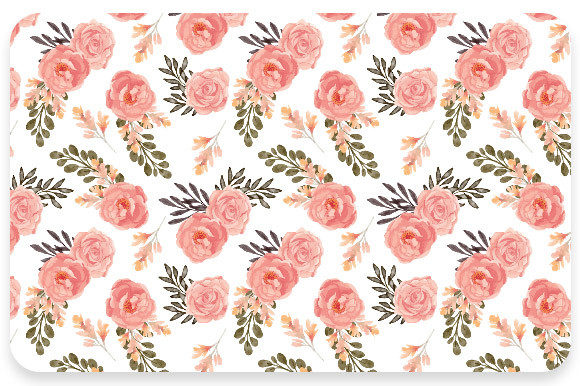
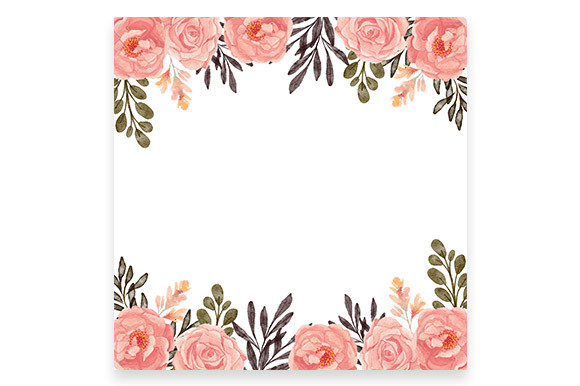
The Watercolor Rose Floral Bouquet Curve is typically delivered as a collection of digital files. The core offering includes the complete bouquet curve in multiple file formats, such as .JPG and .PNG, along with potential isolated elements like individual roses, leaves, or background textures. Each file is provided at a high resolution of 2000 pixels by 2000 pixels, ensuring flexibility for both print and digital use without loss of quality. This resolution supports scaling for large formats like posters or website headers, as well as cropping for smaller applications like social media icons or product labels.
The “curve” in the name often refers to the artistic layout of the bouquet itself—a sweeping, organic arrangement that guides the viewer’s eye. This designed curve makes the asset particularly useful for projects requiring a sense of movement, elegance, or natural flow. It’s a pre-composed element, saving the creator hours of time in arranging individual floral assets to achieve a harmonious look.
Integration into Project Planning and Workflows
The most effective use of the Watercolor Rose Floral Bouquet Curve begins at the planning stage. When conceptualizing a project—be it a wedding invitation suite, a wellness brand’s website, a product packaging design, or a series of blog graphics—identifying where such an asset fits is crucial. It can serve as a primary visual anchor, a repeated motif, or a subtle accent. Its watercolor style communicates softness, authenticity, and a hand-crafted feel, which can directly influence the emotional tone of the final output.
In a practical workflow, the asset interacts with other tools and resources. Design software like Adobe Photoshop, Illustrator, or even simpler tools like Canva, are the platforms where integration happens. The .PNG format, with its potential for transparency, is invaluable for layering the bouquet over other backgrounds or text without needing complex clipping paths. The high-resolution .JPG serves as a robust base for further manipulation or for use in layouts where file size is a consideration. Compatibility with these standard tools is a fundamental strength.
Pre-Project Preparation and Organization
Before diving into execution, a few preparatory steps ensure smooth use. First, organize the downloaded files. Create a dedicated folder within your project directory for “Visual Assets” or “Graphics.” Place all the Watercolor Rose Floral Bouquet Curve files here, clearly labeled. This prevents the common scenario of lost or misplaced assets mid-project. Second, assess the scope of your project. Determine how many variations or instances of the floral motif you will need. Will you use the full curve, or will you crop and use individual elements from within the file? Having a clear plan prevents redundant edits and maintains consistency.
Practical Applications and Use Cases
The applications for this type of asset are diverse, crossing professional and hobbyist boundaries. For a small business owner launching a botanical skincare line, the Watercolor Rose Floral Bouquet Curve could become the brand’s signature visual, appearing on labels, the website homepage, and promotional flyers. A blogger focusing on lifestyle or DIY crafts might use it to create a distinctive header for their posts or as a background for quote graphics, enhancing reader engagement through consistent, beautiful imagery.
For educators or content creators developing online courses or printables, the asset offers a way to elevate material visually without requiring advanced artistic skills. It can frame text on a worksheet, decorate a certificate of completion, or add a calming aesthetic to presentation slides. The key is to let the asset complement the content, not overwhelm it. Its soft watercolor nature often pairs well with minimalist text layouts and clean typography.
During the Execution Phase: Tips for Manipulation
During the active design phase, work efficiently with the asset. Use the high resolution to your advantage. If you need a smaller element, zoom into a 2000px x 2000px file and crop precisely to isolate a single rose. The quality will remain. Adjust colors subtly if needed to match a specific palette—watercolor graphics often allow for gentle hue shifts using software tools while retaining their textured authenticity. Remember to save iterative versions. For instance, save a file as “bouquet_curve_master.png,” then save cropped or color-adjusted versions as “bouquet_cropped_v1.png.” This maintains an organized archive and aids in quality control across multiple project outputs.
Ensuring Consistency and Long-Term Usability
A significant benefit of a well-curated graphic asset like the Watercolor Rose Floral Bouquet Curve is its role in building visual consistency. For entrepreneurs and marketers, brand consistency is non-negotiable. Using the same floral curve across a campaign—from initial social media teaser to final sales page—creates a cohesive visual narrative that audiences recognize. Store the original files in a permanent digital asset library alongside your logos, fonts, and color swatches. This makes it a reusable resource, not a one-time download, improving long-term workflow efficiency.
Consider also output compatibility. The high-resolution basis means the asset is future-proofed for various media. A project starting as digital web banners might later expand to printed brochures. Having the 2000px source files ensures you won’t encounter pixelation or quality degradation when scaling up for print. This preparedness eliminates a common point of friction in expanding projects.
Post-Project Reflection and Asset Management
After a project concludes, a brief review of how the asset performed is useful. Did the Watercolor Rose Floral Bouquet Curve integrate smoothly? Were the file formats adequate for all platforms used? Note any observations for future projects. Perhaps you discovered the .PNG version was perfect for overlay on video edits, expanding your idea of its use cases. Then, properly archive the asset and any project-specific derivatives. Label folders with project names and dates. This disciplined approach turns a single purchase into a continually growing, organized toolkit, streamlining the initiation of every new creative process.
Final Thoughts on Streamlined Integration
The Watercolor Rose Floral Bouquet Curve, when viewed through a process-oriented lens, is a versatile component that slots into established workflows. Its value is unlocked not just by its aesthetic appeal, but by the practical decisions surrounding its use: proper organization during preparation, mindful manipulation during execution, and strategic archiving for future efficiency. By treating such assets as integral parts of a larger system—your creative or professional workflow—you transform them from static graphics into dynamic tools that enhance quality, maintain consistency, and ultimately save time and resources across multiple projects and goals.