Floral Fabric Vector Designs
Imagine a design asset that effortlessly brings elegance, texture, and organic beauty to any creative project. That’s the promise of a premium floral fabric vector pattern. This versatile graphic element isn’t just a simple decoration; it’s a foundational tool for designers seeking to infuse their work with a sense of artistry, warmth, and sophisticated detail.
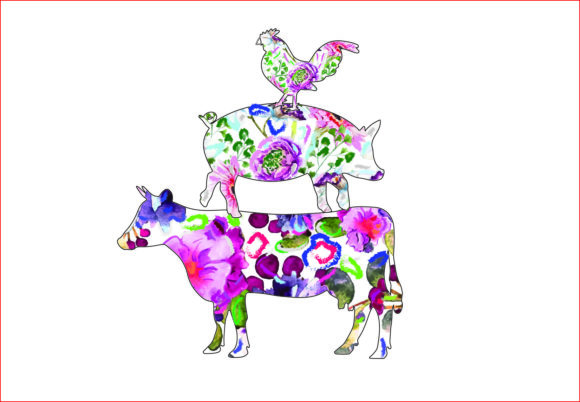
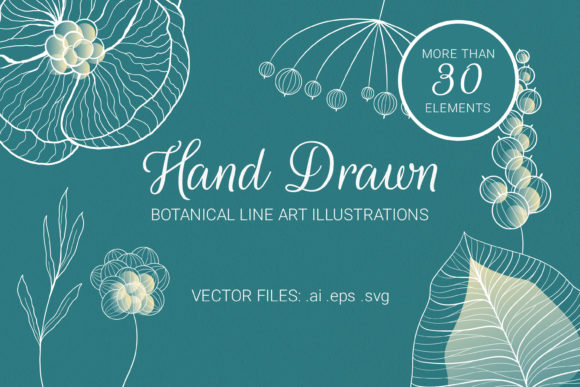
A floral fabric vector design offers immense practical value for professionals in graphic design, branding, and digital marketing. Provided in multiple formats—including AI, SVG, EPS, PNG, and JPG—it ensures seamless integration across all types of media, from print to web. Its scalable vector nature guarantees crisp quality at any size, making it perfect for everything from a tiny sticker to a large tote bag or a full-scale poster.
Applications Across Creative Disciplines
The true power of this asset lies in its adaptability. Whether you’re crafting a brand identity, developing marketing collateral, or designing merchandise, this pattern serves as a powerful visual anchor.
Enhancing Brand Identity and Packaging
In branding, a floral fabric vector can define a brand’s visual personality. It can be integrated subtly into logo backgrounds, used on packaging to evoke premium quality, or applied across stationery to create a cohesive and memorable brand identity. The pattern establishes a distinct color palette and texture that resonates with audiences looking for craftsmanship and natural aesthetics.
Powering Digital and Print Marketing
For marketing materials, its applications are vast:
- Social Media Graphics: Creates instantly engaging backgrounds for posts, ads, and profile art.
- Website & UI Design: Can be used in headers, section dividers, or as subtle background textures to enhance user experience and visual hierarchy.
- Editorial & Print Design: Elevates layouts for magazines, brochures, and cards with a touch of organic elegance.
- Advertising Campaigns: Provides a consistent visual theme across digital banners, billboards, and print ads.
Tips for Effective Implementation
To leverage this design element effectively, consider its role within your overall visual strategy.
First, evaluate its compatibility with your existing brand system. The pattern’s color palette should harmonize with your primary colors. Consider using it as a secondary texture rather than the dominant element to maintain readability and a clean modern aesthetic. Pay attention to visual hierarchy—allow key text or imagery to stand clear against the pattern.
Scalability is inherent to vector files, but also consider the final use. The transparent PNG format is ideal for overlaying on photos or mockups for merchandise like shirts and tote bags. The SVG and AI files are perfect for further creative customization, allowing you to tweak colors or isolate elements for logo design or intricate illustrations.
Workflow Integration and Final Output
Incorporating such a multi-format asset streamlines your design workflow. With a canvas size of 1920px x 1280px provided for each file type, you start with a high-resolution foundation suitable for both detailed print work and optimized web graphics. This readiness allows you to move quickly from concept to execution, applying the pattern to:
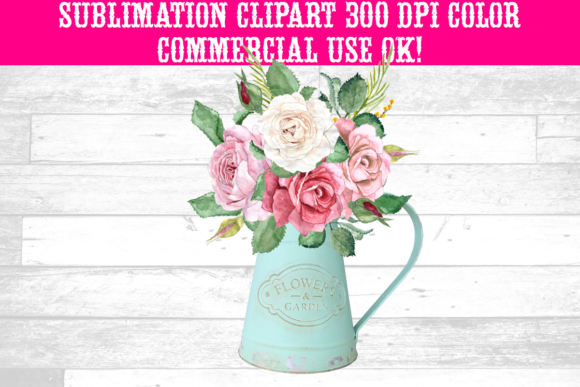
- Mockups for apparel like shirts and clothes.
- Physical products like posters, stickers, and cards.
- Digital products such as website themes or presentation templates.
Ultimately, the choice of any creative asset, especially one as evocative as a floral fabric vector, comes down to its ability to communicate and enhance. A well-chosen, quality pattern does more than decorate; it sets a tone, conveys a brand’s values, and deeply engages the viewer. By selecting versatile, professionally crafted resources and applying them with thoughtful consideration for consistency and audience expectation, you elevate not just the aesthetics of your projects, but the clarity and impact of your entire visual communication.